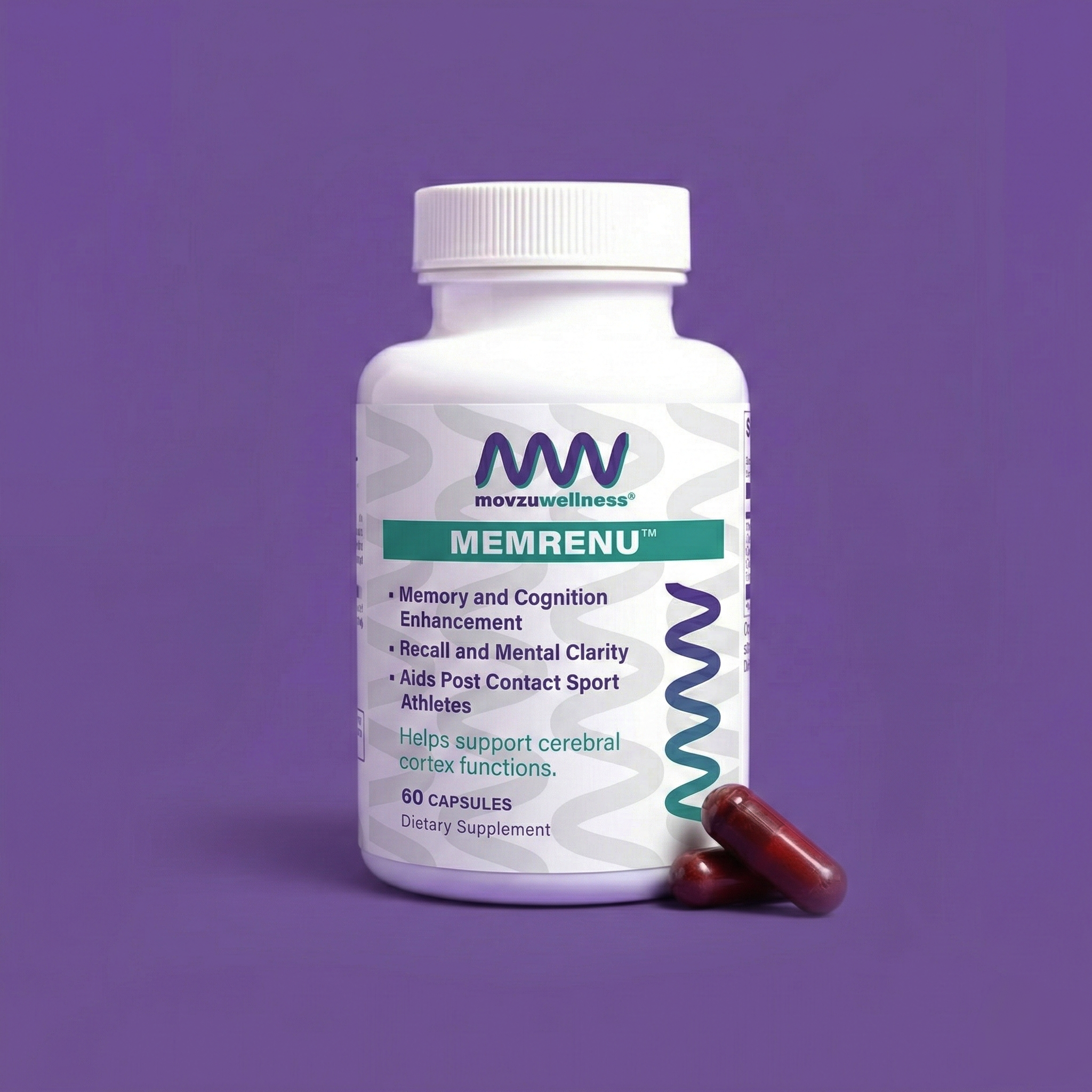
- Ginseng: Ginseng increased resting oxygen uptake and oxygen transport in elderly subjects (WP, 1994) and significantly increased the capacity for mental arithmetic and logical deduction in healthy normal subjects (D'Angelo L., 1986)
- Ginkgo Biloba Extract (GBE): Ginkgo has shown activity centrally and peripherally, affecting electrochemical, physiologic, neurologic, and vascular systems in animals and humans with few adverse side effects or drug interactions. Ginko shows promise in patients with dementia, normal aging, and cerebrovascular-related disorders. Clinical indications include memory and information processing. (Bruce Diamond, 2000) . A study by Soholm et al on memory and cognitive function (B, 1998) suggested that Ginkgo biloba extract is beneficial to a population with cognitive impairment in the realm of memory, concentration, attention, and processing speed. In another study published by Kanowski et al, Ginkgo showed significant improvement in attention, performance, and activities of daily living in presenile and senile dementia patients. (Kanowski S, 1996) . Ginkgo biloba extract is an active compound with a favorable side effect profile. Preliminary research has suggested it may be valuable for conditions that are commonly seen with acquired brain injury and concussions (Elovic E, 2001) .
- Acetyl-L-Carnitine (ALCAR): ALCAR contains carnitine and acetyl moieties, both of which have neurobiological properties. ALCAR is reported to affect brain energy and phospholipid metabolism and to interact with cell membranes, proteins, and enzymes. ALCAR modulates the activity of NGF, and several hormones. ALCAR demonstrates a neuromodulatory effect on synaptic morphology and on multiple neurotransmitter synaptic transmission, including that of acetylcholine. This suggests that ALCAR can affect multiple CNS systems and targets. ALCAR is reported to have beneficial effects in two major psychiatric disorders found in high prevalence in the geriatric population, that is AD and major depression (Pettegrew JW, 2000) . ALCAR has been shown to improve neurological outcome in various models of global and focal forms of cerebral ischemia (Calvani M, 1999) .
- Citicoline: Preclinical and clinical investigations have shown that forms of choline supplementation have beneficial effects especially in terms of improved endothelial function and cognitive performance (Kansakar U, 2023) . Evidence shows the positive effects of citicoline in a wide range of neurological conditions, such as dementia, neuropathic pain and nerve regeneration (Jasielski P, 2020) .
- Magnesium: The PATH through Life Project found that higher magnesium intake was related to a reduced risk of developing mild cognitive impairment and mild cognitive disorders. (Cherbuin N, 2014) . Magnesium therapy is effective in decreasing cognitive and motor deficits (Smith, 1993)
- Bacopa: A meta-analysis suggested that Bacopa monnieri extract may be beneficial in improving cognitive function in the attention domain, especially speed of attention (Chuenjid, 2014) . Bacopa monniera extract given chronically for 12 weeks improved early information processing, verbal learning, and memory consolidation in humans (Stough, 2001).
References:
B, S. (1998). Clinical improvement of memory and other cognitive functions by Ginkgo biloba: revew of relevant literature. Adv Ther., 15:54-65.
Bruce Diamond, S. S. (2000). Ginkgo biloba Extract: Mechanisms and Clinical Indications. Acrh Phys Med Rehabil, Vol 81: 668-678.
Calvani M, A.-M. E. (1999). Attenuation by Acetyl-L-Carnitine of Neurological Damage and Biochemical Derangement Following Brain Ischemia and Reperfusion. Int. J. Tissue React., XXI(1): 1-6.
Cherbuin N, K. R. (2014). Dietary mineral intake and risk of mild cognitive impairment: The patho through life project. Front. Agning Neurosci., 6,4.
Chuenjid, P. P. (2014). Meta-analysis of randomized controlled trials on cognitive effects of Bacopa monnieri extract. Journal of Ethnopharmacology , 151:528-535.
D’Angelo L., G. R. (1986). A double-blind, placebo controlled clinical study on the effect of a standardized ginseng extract on psychomotor performance in healthy volunteers. . J Ethnopharmacol, 16: 15-22.
Elovic E, Z. R. (2001). Ginkgo Biloba: Applications in Traumatic Brain Injury. J Head Trauma Rehabil, 16(6):603-607.
Jasielski P, P. F. (2020). Application of Citicoline in Neurological Disorders: A Systematic Review. Nutrients, 12: 3133.
Kanowski S, H. W. (1996). Proof of efficacy of the ginkgo biloba special extract EGb761 in outpatients suffering from mild to moderate primary degenerative dementia of the Alzheimer type or multi-infarct dementia. Pharmacopsychiatry, 29:47-56.
Kansakar U, T. V. (2023). Chline supplements: An update. Font. Endocrinol, 14:1148166.
Malik M, T. P. (2023). Nootropic Herbs, Shrubs, and Trees as Potential Cognitive Enhancers. Plants, 12:1364.
Pettegrew JW, L. J. (2000). Acetyl-L-carnitine physical-chemical, metabolic, and therapeutic properties: relevance for its mode of action in Alzheimer's disease and geriatric depression. Molecular Psychiatry, 5:616-632.
Smith, O. G. (1993). Magnesium and ketamine attenuate cognitive dysfunction following experimental brain injury. Neurosci Lett., 157(2):211-214.
Stough, L. C. (2001). The chronic effects of an extract of Bacopa monniera (Brahmi) on cognitive function in healthy human subjects.
WP, B. M. (1994). Evaluation of the ergogenic properties of ginseng. Sports Med, 18: 229-248.